

When was the last time you got an oil change? If it’s been a while, your engine could be working harder than it should. Regular oil changes are one of the simplest yet most powerful steps in engine maintenance, keeping your car running smoothly and preventing costly car repairs in the long run. Think of it as routine care that keeps your vehicle healthy and ready for the road.
In this article, we’ll discuss why oil changes are a non-negotiable part of vehicle care, how they protect your engine, and how often you should schedule them to keep your ride in top shape.

Why Oil Changes Matter for Engine Maintenance
Your car’s engine is a finely tuned machine with multiple moving parts working together under intense heat and pressure. Over time, engine oil naturally breaks down and becomes less effective at doing its job. Without fresh oil, your engine faces increased friction, higher temperatures, and faster wear.
A regular oil change ensures that your engine is properly lubricated, preventing metal parts from grinding against each other and causing damage. It also helps remove debris and contaminants that can accumulate over time. This small service can make a big difference in extending your engine’s life.
Reasons Oil Changes Are Critical for Vehicle Care
1. Lubrication and Reduced Friction
Imagine running without water on a hot day–you’d overheat quickly. Your engine is no different. Oil acts as the lubricant that keeps parts moving without damaging each other. However, when the oil gets old, it thickens and loses its ability to lubricate, which can lead to expensive car repairs.
Fresh oil ensures all engine components, from pistons to valves, move freely and without unnecessary resistance. This results in smoother acceleration, quieter operation, and improved responsiveness, whether you’re navigating city traffic or driving on highways. This is why regular oil changes are key to maintaining peak performance, preventing costly repairs, and keeping your vehicle reliable in any condition.
2. Cooling the Engine
Engines naturally generate heat, and without proper cooling, that heat can cause significant damage to your vehicle. Fresh oil helps carry this heat away from critical components, preventing dangerous overheating. However, skipping oil changes leaves your engine vulnerable to excess heat and costly damage.
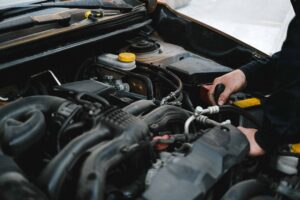
3. Protecting the Engine & Prolonging Lifespan
As oil ages, it picks up dirt, debris, and even tiny bits of metal. If left unchecked, these contaminants circulate through your engine and accelerate wear. Routine oil changes flush them out, helping your engine run cleaner and last longer.
This simple service can add years to your vehicle’s life and save you from expensive repairs down the road.
4. Improving Fuel Efficiency
When your engine runs smoothly, it doesn’t need to work as hard, which means it burns less fuel. Dirty or degraded oil forces the engine to use more energy, burning extra fuel even during routine drives.
In fact, according to the U.S. Department of Energy, using the correct motor oil and sticking to regular oil changes can boost fuel economy by 1-2%. It may not sound like much, but over time those savings add up at the pump.
5. Helps Reduce Emissions
Dirty oil makes engines run less efficiently, which can increase harmful exhaust emissions. By keeping up with oil changes, you’re not only protecting your engine but also helping the environment.
Clean oil helps your car burn fuel more efficiently, lowering emissions and making it easier to pass inspections in areas that require testing.
How Often Should You Get an Oil Change?
The old rule of thumb was every 3,000 miles, but advances in vehicles and motor oils have extended that interval. Most cars today can go 5,000–7,500 miles between oil changes, and some synthetic oils can last up to 10,000 miles.
That said, how and where you drive can make a big difference. If you’re frequently driving in stop-and-go traffic, hauling heavy loads, or dealing with extreme weather, you may need more frequent oil changes. Always check your owner’s manual for your manufacturer’s recommended schedule.
Signs It’s Time for an Oil Change
Not sure if your car is due for service? Watch for these warning signs:
- Dashboard Light: If your oil warning light comes on, it’s time to act.
- Strange Noises: Tapping or knocking sounds can mean your oil isn’t lubricating parts properly.
- Dirty Oil: Fresh oil looks clear and amber. If it’s dark, thick, or gritty, it needs to be changed.
- Excess Smoke: While light vapor is normal, heavy smoke may indicate burning oil or contamination.
If you notice any of these symptoms, don’t wait. A quick oil change now can prevent serious engine trouble and save you money down the road.

Why Choose Authentic Automotive in Erda, UT?
At Authentic Automotive, our priority is keeping your vehicle safe, reliable, and performing at its best. That’s why our skilled team delivers more than just routine oil changes; we provide complete car care you can trust. We use high-quality oils and filters designed to meet or exceed manufacturer standards, ensuring your engine runs at peak performance
We value your time, which is why we make every visit quick, stress-free, and convenient so you can get back on the road with confidence. Whether you need a simple oil change or more advanced engine maintenance, Authentic Automotive is here to help.
Ready for your next oil change? Schedule an appointment with us and let our experts take care of your car.